A Referee's Journey: From Courtside to Controversy
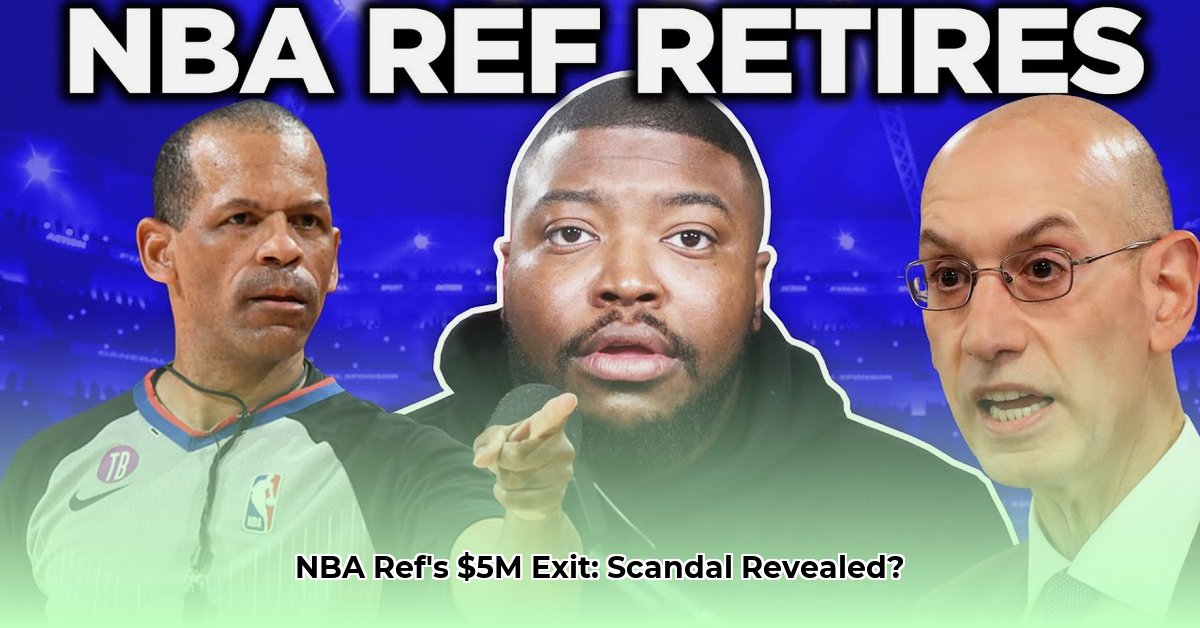
Eric Lewis's eighteen-year career as an NBA referee concluded abruptly, leaving behind a legacy intertwined with both impressive financial success and lingering controversy. His reported $5 million net worth, a testament to a long and successful career, is now overshadowed by questions surrounding his alleged involvement in a secret Twitter account. This article explores Lewis's career trajectory, the financial realities of NBA officiating, and the implications of his controversial exit. For more on high-profile referee finances, see Eric's Net Worth.
NBA Referee Salaries: A Wide Range of Compensation
Lewis’s estimated annual salary of $550,000 placed him among the highest-paid NBA referees. This figure highlights the significant responsibility and skill required for officiating high-stakes professional basketball games. However, the reality of NBA referee salaries is far from uniform. Salaries range vastly, from approximately $180,000 to well over half a million dollars, reflecting a significant pay disparity within the profession. This lack of transparency fuels speculation and raises questions about fair compensation and equity within the officiating community. What factors contribute to this wide salary gap? How can transparency and fairness be improved?
Did you know that NBA referee salaries aren't publicly disclosed, leading to ongoing speculation and debate about the actual figures? This lack of transparency, however, does not diminish the fact that top-tier referees like Eric Lewis could accumulate a significant net worth over an eighteen year career.
Building a Fortune: Eighteen Seasons on the Court
Eighteen seasons, countless regular season games, pivotal playoff moments, and six NBA Finals appearances—this is the foundation of Eric Lewis's substantial wealth. His longevity underscores both his exceptional skill and the potential financial rewards achievable through dedication and considerable success in professional officiating. However, Lewis’s journey serves as a potent reminder of the immense pressures and potential pitfalls associated with a career under such intense public scrutiny. The demanding schedule, constant travel, and the weight of making crucial, often controversial, calls are all part of the demanding life of a top NBA referee.
How did Lewis manage his finances during such a demanding career, given these pressures and the need for long stretches away from home? Such careful financial management likely contributed to his final net worth.
The "Blair Cuttlif" Account: An Unresolved Mystery
The alleged "Blair Cuttlif" Twitter account remains a significant unresolved aspect of Eric Lewis's story. While the NBA concluded its investigation with Lewis's retirement, the account's true operator remains unconfirmed, fueling persistent speculation and raising serious questions about accountability and transparency within professional basketball's officiating system. The controversy surrounding this account casts a shadow over his long and successful career, highlighting the potential consequences that can extend far beyond the basketball court. This incident serves as a potent reminder that even significant financial achievement can be overshadowed by off-court controversies.
A critical question arises: What steps can the NBA and the referees' union take to prevent similar controversies from arising in the future? Strengthening guidelines regarding social media usage and improving investigation processes could help address this issue.
Stakeholder Perspectives and Needed Actions
Eric Lewis's case underscores the need for systemic reform within NBA refereeing. Several key stakeholders must take action to address the issues raised:
1. The NBA: Implement stricter guidelines on referee conduct and social media usage; establish clear, transparent investigation procedures; and prioritize fairness and accountability.
2. The Referees' Union: Advocate for fair compensation and benefits that reflect the job's demands; promote professional development and training; and foster a culture of transparency and accountability.
3. Current NBA Referees: Maintain the highest standards of professionalism on and off the court; adhere strictly to league guidelines; and promote unity and trust in their professional community.
4. Fans and Media: Engage in balanced discussions; avoid personal attacks; and promote responsible and objective reporting.
Lessons Learned and the Future of NBA Officiating
Eric Lewis’s career highlights the complexities of a high-pressure profession, showcasing both the significant potential rewards and the considerable risks involved. While his impressive net worth reflects undeniable success, the enduring questions surrounding his departure provide valuable lessons for the future of NBA officiating. The need for greater transparency, accountability, and a reinforced focus on ethical conduct are crucial for sustaining the integrity of the game and ensuring fair compensation for those who make it possible. It's a message that the NBA and all its stakeholders must heed to foster public trust and ensure a more stable and equitable future for the profession.